
- Home
- Cold Room Doors
Cold Room Doors
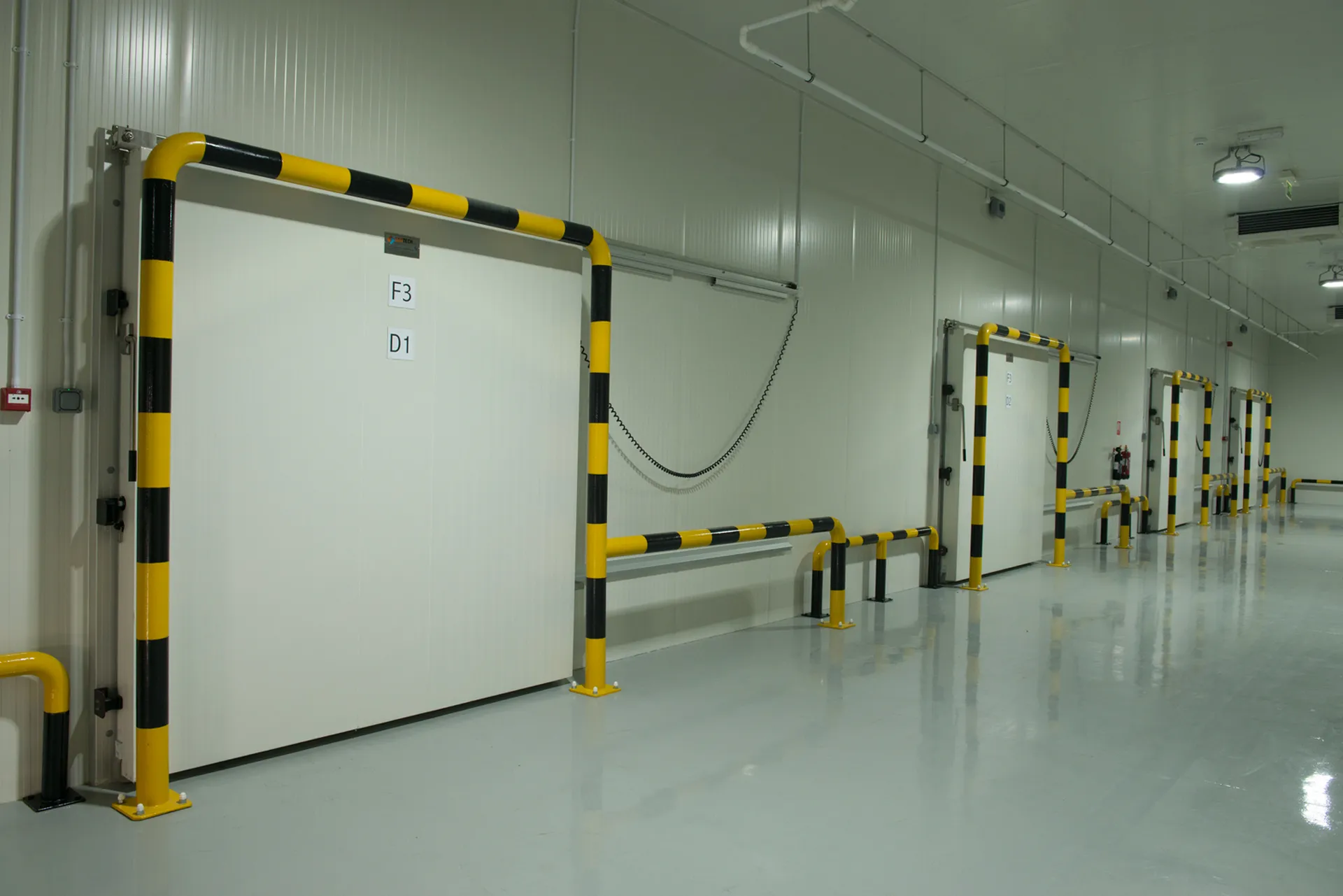
Insulated hinged and sliding doors, selected for how your cold room is used.
Cold room doors help maintain temperature stability and control energy use. A poorly sealed or wrongly sized door lets warm, moist air in, encourages ice build-up and makes the refrigeration work harder. LEOTECH supplies and installs polyurethane-insulated cold room doors for chillers and freezers, for new rooms and existing installations.
Hinged or sliding: which door suits your room?
| Comparison | Hinged door | Sliding door |
|---|---|---|
| Typical opening | Small to medium | Medium to large |
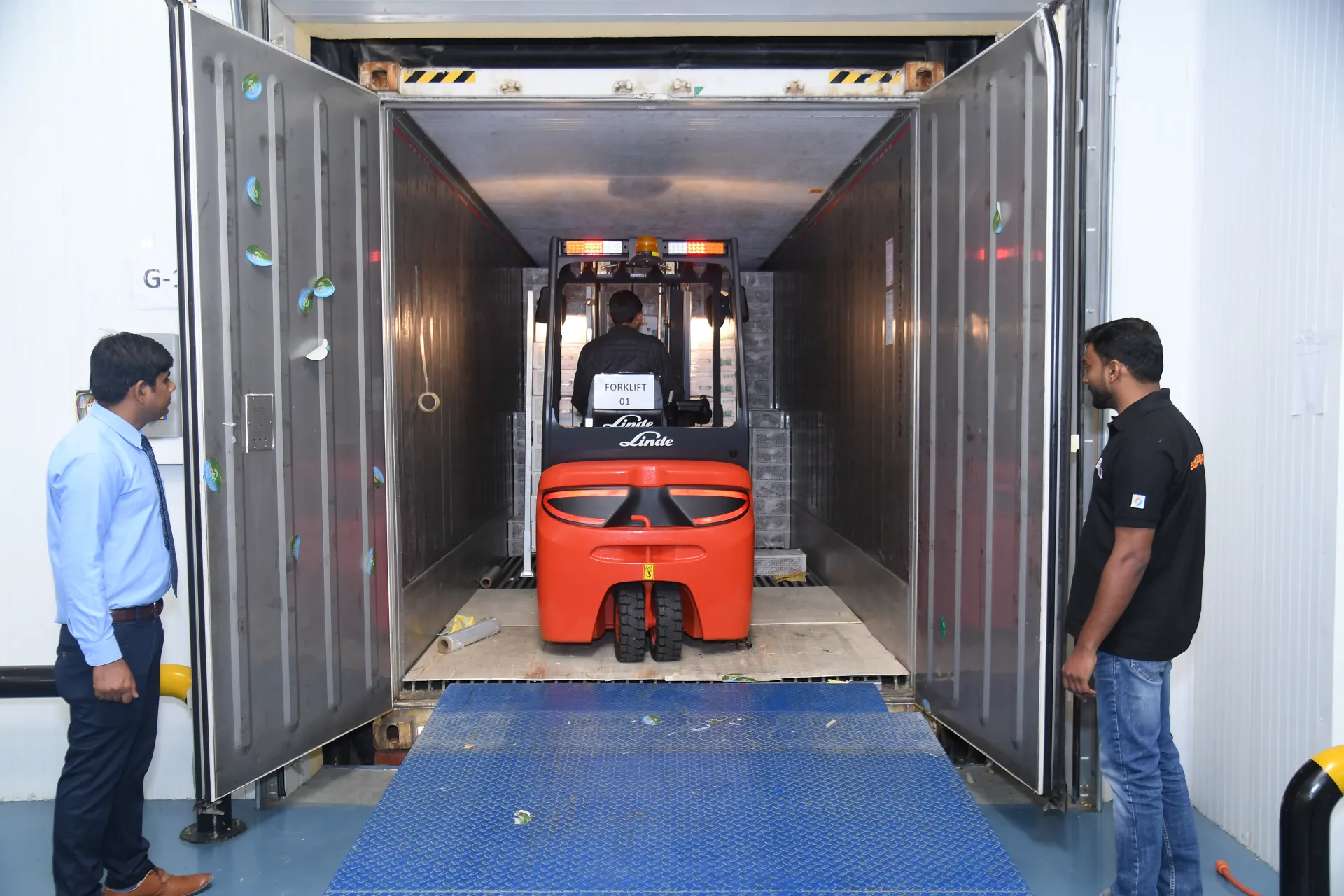
| Traffic | Staff on foot, light trolleys | Trolleys, pallet trucks and forklifts |
| Space needed | Clear swing area in front of the door | Wall space beside the opening |
| Operation | Manual, with self-closing options | Manual or motorised |
| Typical use | Kitchen, hotel and retail cold rooms | Warehouses, food plants and loading areas |
Door options
Options include:
- Hinged and swing doors for personnel access
- Sliding doors, manual or motorised, for wide openings
- Heavy-duty industrial doors for frequent, demanding use
- Self-closing and hydraulic self-closing doors, to reduce the time doors stay open
- Automatic sensor doors for hands-free operation in busy areas
- Controlled atmosphere doors
- Freezer doors with heated frames and thresholds
Insulation, sealing and heating
Doors are insulated with polyurethane and supplied in different thicknesses to suit the room. Gaskets seal the door against the frame to limit air leakage. On freezer doors, heater wires around the frame and threshold help prevent ice forming, so the door is less likely to freeze shut or lose its seal.
Safety release
Doors are fitted with safety release handles, which allow the door to be opened from inside the room.
Customisation
- Door size and thickness
- Opening type and operation
- Insulation specification
- Hardware and surface finish, including a range of metal finishes
- Fit to new rooms or existing panel walls
Installation
Even a well-made door performs poorly if it is installed out of alignment. We fit doors square to the panels, check that gaskets seal along their length, install and test heating elements on freezer doors, and check operation and safety release before handover.
What we consider when selecting a door
people, trolleys, pallets or forklifts
Why LEOTECH
LEOTECH has built cold rooms since 1996, so doors are specified as part of the room's insulation and refrigeration rather than as a separate item.
Choose the right door
Send us the opening size, room temperature and how the door will be used. We will recommend a door type and specification.
Frequently asked questions
Why does my freezer door ice up?
Common causes are a worn gasket, a faulty frame heater or misalignment. Warm, moist air gets in, meets the cold surface and freezes. An inspection identifies which is responsible.
Can you replace a door on an existing cold room?
In most cases, yes. We can supply doors sized and finished to suit existing panel walls. Share the opening dimensions and panel thickness.
Can a cold room door be opened from inside?
Our doors are fitted with safety release handles so the door can be opened from inside the room.
Which door suits forklift traffic?
Usually a sliding door, often motorised, sized for the vehicle and load. Heavy-duty door options suit frequent forklift use.