
- Home
- Banana Ripening Chambers
Banana Ripening Chambers
Controlled rooms for even colour, predictable timing and fewer rejected boxes.
A banana ripening chamber is an insulated room where temperature, humidity, airflow, ethylene and fresh air are controlled together, so green fruit ripens on a planned schedule. When one of these is out of balance, some pallets ripen early and others lag behind. LEOTECH designs and installs ripening chambers around how your facility loads, ripens and dispatches fruit.
How does controlled ripening work?
Bananas are harvested green and ripened close to market. In a ripening room, five conditions work together:
- Ethylene: a natural ripening gas, dosed in a controlled amount to start ripening evenly across the load.
- Temperature: adjusted through the cycle. Pulp temperature largely sets the pace of ripening, and bananas are sensitive to low temperatures, so set points follow the ripening programme rather than general chilled-storage settings.
- Humidity: kept high enough to protect the peel and limit weight loss.
- Airflow: circulated through every pallet, not just around it, so fruit in the centre ripens with fruit on the outside.
- Ventilation: fresh air exchange removes the carbon dioxide that ripening fruit gives off, which would otherwise slow the process.
Ripening programmes vary with fruit origin, condition on arrival and the colour stage your customers need. The chamber should give your team accurate control over each variable.
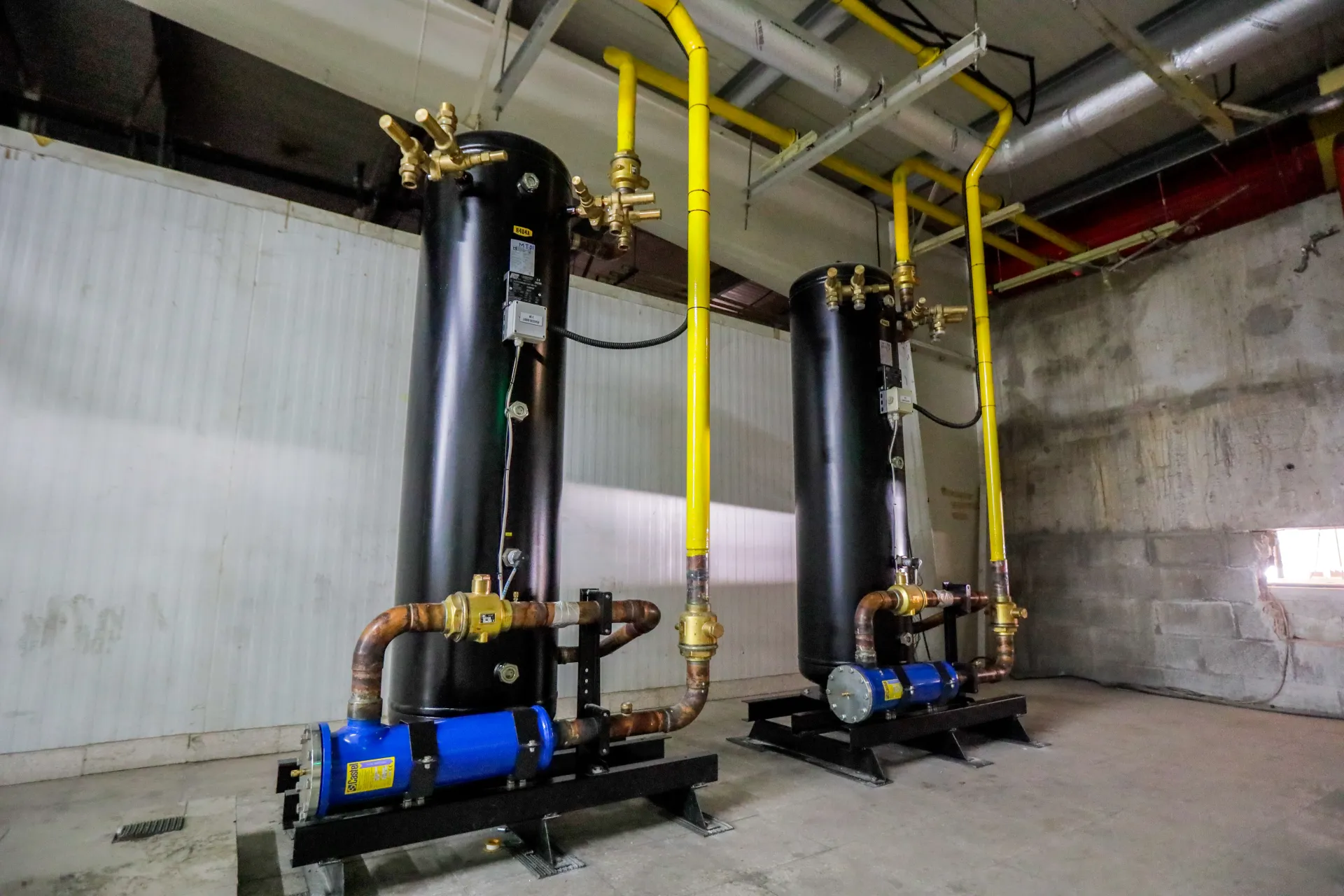
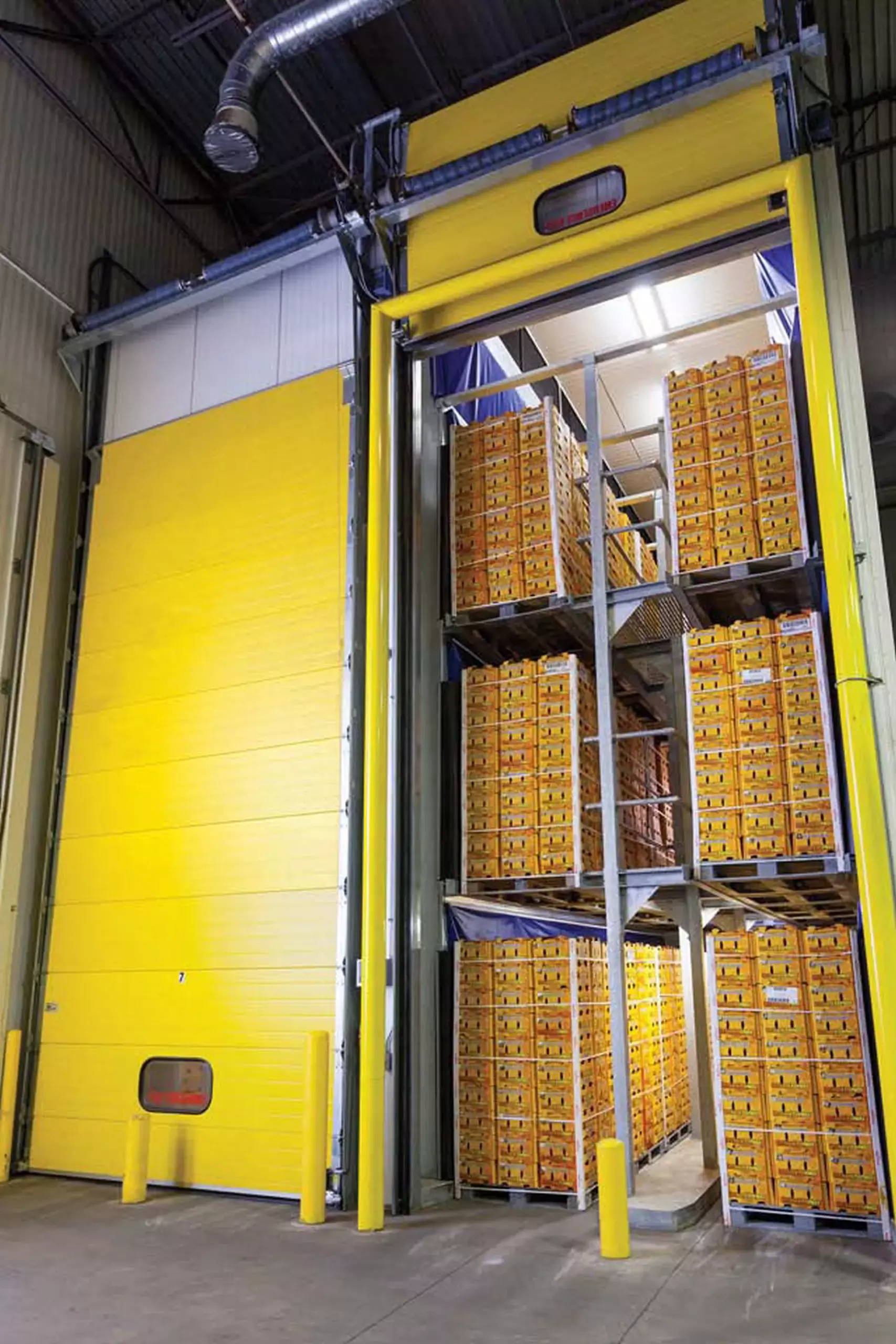
What our ripening chambers are designed to achieve
- Even airflow across all pallet positions
- Consistent temperature throughout the room
- Controlled ethylene dosing and circulation
- Managed fresh air intake and exhaust
- Automation that reduces manual adjustment between cycles
The aim is batch-to-batch consistency: even colour development, fewer rejected boxes and good shelf life after ripening.
What we consider when designing a chamber
Our scope
Depending on the project, our scope can include:
Why LEOTECH
LEOTECH has worked in refrigeration and cold storage since 1996. We design insulated rooms, refrigeration plant and controls together, with attention to airflow balance and control accuracy.
Plan your ripening rooms
Share your pallet volumes, cycle times and site details. We will review them and recommend a chamber layout and control approach.
Frequently asked questions
Why do some pallets ripen faster than others?
Usually uneven airflow or temperature. If air passes around pallets rather than through them, fruit at the centre warms and ripens at a different rate. Chamber layout and evaporator selection address this.
How long does a ripening cycle take?
It depends on the fruit's condition on arrival, the ripening programme and the colour stage required. We design the chamber around the cycle duration your operation plans to run.
Why is ventilation needed in a ripening room?
Ripening fruit produces carbon dioxide. Without controlled fresh air exchange, it builds up and slows ripening. Ventilation also manages ethylene concentration after dosing.
What information do you need to quote?
Pallets per chamber, number of chambers, cycle duration, daily throughput, available space and ambient conditions. Existing building drawings help if the chambers will go into an existing warehouse.